Selecting the Right เครื่องสำรองไฟ cctv Capacity
Choosing the right CCTV backup power supply capacity is essential for maintaining uninterrupted surveillance and ensuring complete security coverage. Power outages can happen unexpectedly, and without a properly sized backup system, your cameras and recording devices may fail when you need them most. By understanding how to calculate and select the correct capacity, you can keep your surveillance system running smoothly and efficiently at all times.
Backup Power Matters for CCTV Systems
A reliable backup power supply ensures:
- Continuous video recording during power failures
- Protection against data loss
- Enhanced security during emergencies
- Stable performance for cameras, recorders, and network devices
- Greater peace of mind for property owners
An optimized power solution not only safeguards your property but also strengthens the overall effectiveness of your security infrastructure.
Key Factors to Consider When Selecting Backup Power Capacity
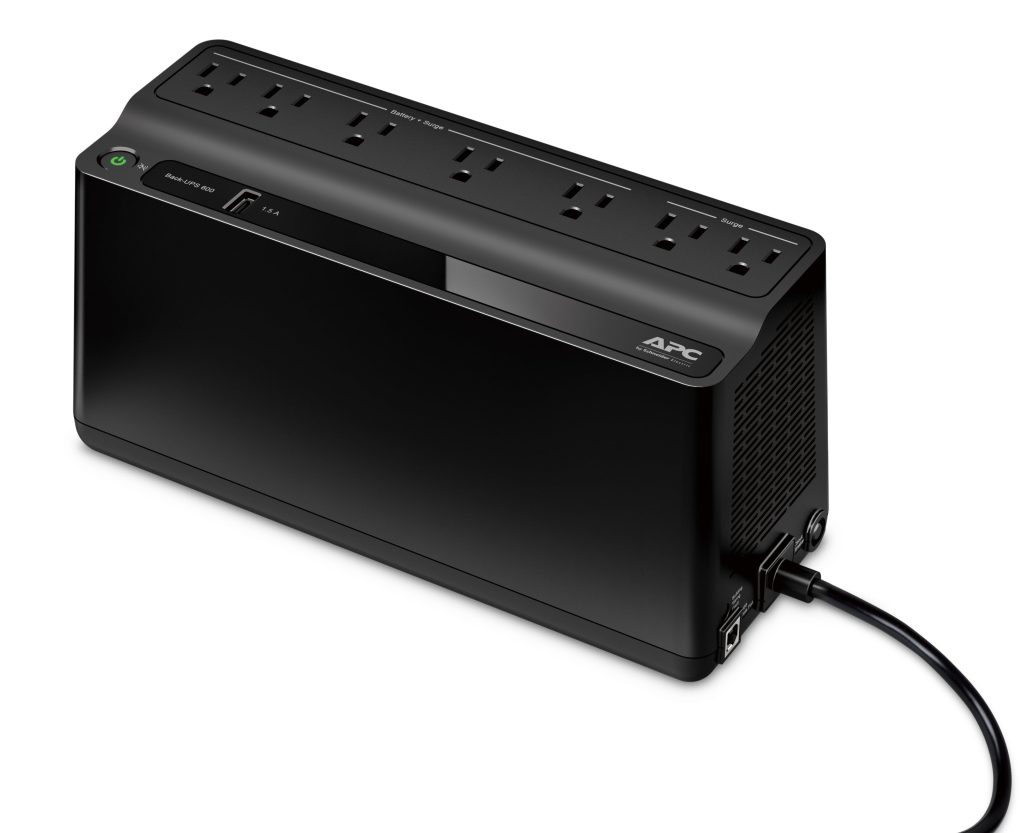
Choosing the right capacity involves more than simply picking a battery. It requires evaluating your system’s total power needs and runtime expectations.
1. Calculate Total Power Consumption
Start by identifying the power requirements of:
- CCTV cameras (IP or analog)
- Network video recorder (NVR) or digital video recorder (DVR)
- Network switches
- Routers and modems
- Any additional accessories
Add the wattage of all connected devices to determine the total load. This forms the foundation for selecting the correct backup capacity. The high-performance เครื่องสำรองไฟ cctv allows security cameras to function seamlessly during power fluctuations or failures.
2. Determine Required Backup Runtime
Ask yourself how long the system should operate during an outage:
- 30 minutes for short interruptions
- 1–2 hours for moderate reliability
- 4+ hours for extended protection
Longer runtime requires higher battery capacity. Choosing the right duration ensures your surveillance system remains operational based on your risk level and security needs.
3. Consider Battery Type and Efficiency
Modern backup systems typically use advanced battery technologies designed for:
- Higher energy density
- Longer service life
- Faster charging cycles
- Low maintenance requirements
Efficient batteries improve reliability while reducing long-term operational costs.
4. Account for Future Expansion
Security systems often grow over time. When selecting backup capacity, consider:
- Adding more cameras
- Upgrading to higher-resolution devices
- Integrating additional networking equipment
Planning for expansion prevents the need for premature upgrades and ensures scalability.
Additional Tips for Optimal Performance
- Use surge protection to safeguard equipment
- Ensure proper ventilation for backup units
- Perform periodic maintenance checks
- Monitor battery health regularly
- Install the system in a secure, dry location
Final Thoughts
Selecting the right CCTV backup power supply capacity is a strategic decision that directly impacts your security reliability. By carefully calculating total power consumption, defining runtime needs, and planning for future growth, you can create a resilient surveillance system that performs flawlessly during power disruptions. A well-sized backup solution enhances safety, maximizes uptime, and provides continuous protection ensuring your security investment delivers long-term value and peace of mind.