Innovative home builders integrate smart technology into modern residential designs.
In today’s rapidly evolving housing landscape, innovative home builders are transforming residential spaces by integrating advanced smart technology into everyday living environments. These modern designs focus on enhancing comfort, convenience, security, and energy efficiency while offering homeowners a seamless digital lifestyle. From intelligent automation systems to connected appliances, smart homes are becoming the standard for future-ready living. Builders are prioritizing user-friendly solutions that simplify daily routines and improve overall quality of life, making homes more responsive, efficient, and adaptable to individual needs.
Smart Technology in Modern Homes
- Integrated home automation systems allow centralized control of lighting, climate, and security features.
- Voice-enabled assistants and sensors enhance convenience and hands-free operation throughout the home.
- Smart energy management systems optimize electricity usage and reduce unnecessary consumption efficiently.
- Remote monitoring features enable homeowners to access and manage home functions from anywhere.
Key Benefits of Smart Home Integration
- Improved energy efficiency reduces utility costs and supports sustainable living practices.
- Enhanced security systems provide real-time alerts and advanced protection for families.
- Increased comfort allows residents to personalize home environments based on preferences.
- Greater property value is achieved through modern technology integration and innovation.
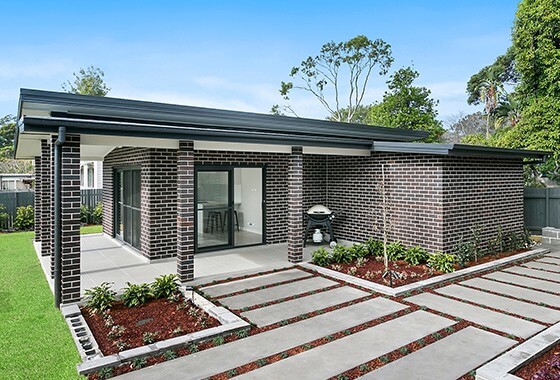
Families benefit from new home builders malvern construction services.
Design Approach of Innovative Home Builders
Modern home builders adopt a holistic design approach that seamlessly blends architecture with intelligent systems. They carefully plan layouts that support smart wiring, sensor placement, and automated systems without compromising aesthetics. The goal is to create visually appealing homes that function efficiently and adapt to evolving technological advancements. Builders also focus on sustainability by incorporating eco-friendly materials and energy-saving technologies into the construction process, ensuring long-term benefits for homeowners and the environment.
Future of Smart Residential Living
The future of residential living is strongly connected to technological innovation. As smart home systems continue to evolve, builders are expected to integrate even more advanced features such as predictive automation and AI-driven energy management. These developments will redefine comfort, efficiency, and safety in modern housing. Homeowners will experience increasingly intuitive living environments that respond proactively to their needs, making everyday life more convenient and enjoyable while supporting sustainable urban development.
Role of Connectivity and IoT Ecosystem
Connectivity and the Internet of Things play a crucial role in modern smart homes by enabling seamless communication between devices and systems. This interconnected ecosystem allows homeowners to control appliances, security systems, lighting, and entertainment units through unified platforms. High-speed connectivity ensures real-time responsiveness, improving convenience and efficiency across daily activities. As integration deepens, homes become more intelligent, capable of learning user habits and automatically adjusting settings to match lifestyle patterns, resulting in a more personalized and efficient living environment overall.
Conclusion
Innovative home builders are reshaping the residential industry by seamlessly integrating smart technology into modern home designs. Their focus on efficiency, comfort, and sustainability ensures that homeowners enjoy enhanced living experiences supported by intelligent systems. As technology continues to advance, smart homes will become even more accessible, reliable, and essential in creating future-ready communities. This transformation continues to inspire next-generation housing solutions worldwide.