Comprehensive Solutions for Managing Subsurface Vapor Movement
Subsurface vapor movement requires a coordinated approach that considers soil conditions, vapor sources, building structures, and long-term environmental goals. Comprehensive management combines investigation, practical engineering, reliable monitoring, and ongoing maintenance. Each stage helps explain how vapors travel and how their movement can be controlled.
Understanding Subsurface Conditions
Effective planning begins with an assessment of the underground environment. Soil composition, moisture, groundwater conditions, and foundation features can influence vapor movement. A structured investigation helps identify pathways and select suitable controls.
Important assessment activities include:
- Reviewing soil and groundwater information to understand possible vapor sources.
- Collecting soil gas samples from selected locations and depths.
- Examining foundation openings, utility penetrations, cracks, and joints.
- Evaluating pressure differences that may influence movement toward buildings.
- Considering seasonal changes that can affect subsurface conditions.
- Recording findings to guide engineering decisions.
This information supports designs that respond to actual site characteristics rather than assumptions.
Engineering Controls for Vapor Management
Engineering measures can limit vapor migration and reduce the potential for entry into indoor spaces. The appropriate solution depends on the source, soil permeability, building layout, and assessment results.
Useful control strategies may include:
- Installing durable vapor barriers beneath floors and foundations.
- Sealing joints, cracks, and service penetrations to reduce entry pathways.
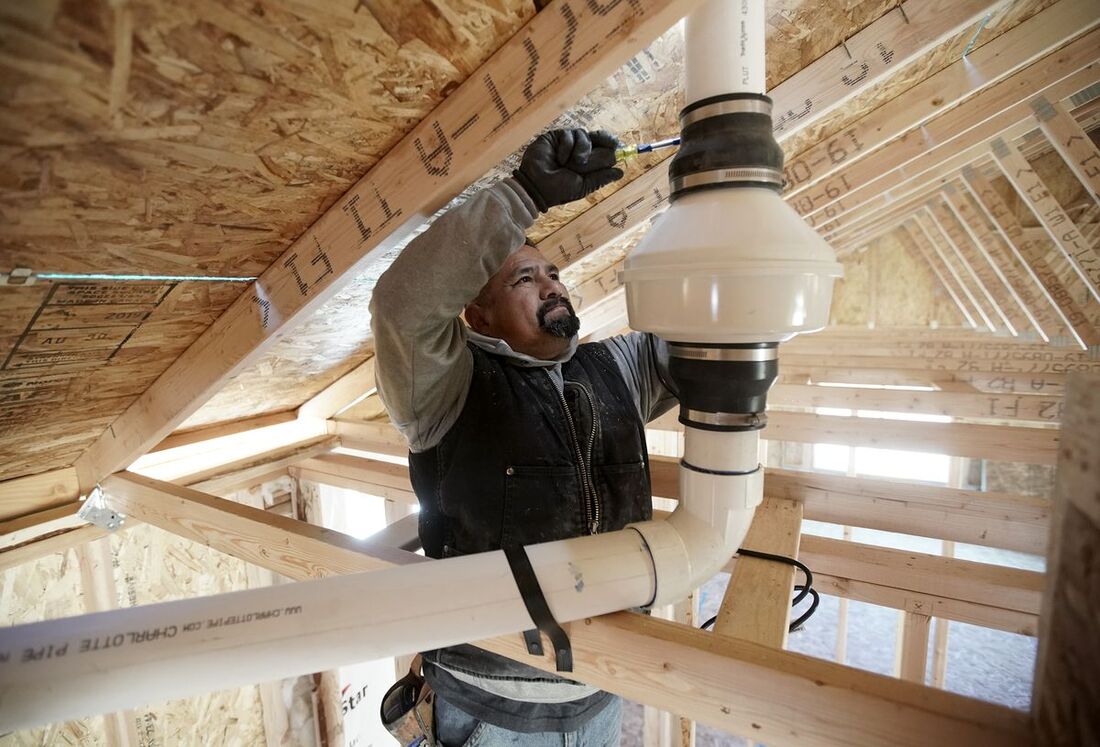
- Using sub-slab depressurization to guide soil gas toward collection points.
- Applying sub-slab ventilation where suitable airflow supports vapor management.
- Considering soil vapor extraction to address subsurface sources.
- Combining complementary measures when one approach cannot address every pathway.
Careful design helps each component work within a coordinated protection strategy. Information available through https://actoc.com/oregon/ can also support understanding of vapor mitigation considerations.
Monitoring and Performance Verification
Consistent monitoring helps confirm that controls continue to perform as intended. Measurements during installation, start-up, and routine operation provide useful information for adjustments.
A dependable monitoring program can include:
- Checking pressure conditions beneath the building slab.
- Measuring indoor air and soil gas where appropriate.
- Inspecting fans, vents, barriers, seals, and discharge components.
- Reviewing equipment performance and recording operating conditions.
- Comparing results over time to identify meaningful changes.
- Maintaining clear reports for future inspections and decisions.
These activities encourage informed maintenance and help preserve system reliability.
Coordinated Planning and Long-Term Care
Successful vapor management benefits from collaboration among environmental professionals, engineers, contractors, and property stakeholders. Clear responsibilities and organized documentation make each stage easier to coordinate.
Long-term planning should focus on:
- Selecting controls that suit the building and subsurface environment.
- Following applicable technical guidance and safety requirements.
- Scheduling inspections and preventive maintenance.
- Keeping records of repairs, measurements, and system changes.
- Reviewing performance whenever building conditions are modified.
- Updating plans when new assessment information becomes available.
A proactive approach makes vapor control an ongoing part of responsible property care. By combining investigation, engineering, verification, and maintenance, projects can achieve dependable management and support comfortable indoor spaces for years to come.