Family Protection Dogs Require Patience, Structure, and Attention
Raising a family protection dog involves more than teaching basic commands or developing protective instincts. It requires patience, thoughtful guidance, and consistent attention throughout the dog’s development. These qualities help create a dependable companion that understands household expectations while maintaining a strong connection with family members. A balanced approach to daily care and training encourages confidence, good manners, and positive relationships. With suitable routines and responsible ownership, protection dogs can become affectionate household companions while remaining attentive to their surroundings.
Patience Creates Stronger Bonds
Every dog develops at an individual pace, making patience an important part of successful ownership. Allowing sufficient time for learning helps dogs become comfortable with their surroundings and family routines.
- Respect individual progress: Give dogs enough time to understand new commands and expectations without rushing their development.
- Encourage positive behaviour: Reward desirable actions with praise, affection, and appropriate treats.
- Build everyday trust: Spend quality time together through gentle play, regular walks, and calm interactions.
- Maintain emotional balance: Respond consistently to different situations so dogs develop confidence and security.
Patient guidance also helps owners understand their dog’s personality, communication signals, and individual needs.
Structure Supports Consistent Behaviour
A predictable environment gives dogs clear expectations and makes everyday learning easier. Establishing household routines helps them understand when to exercise, rest, eat, and participate in training activities.
- Create regular schedules: Maintain consistent feeding, exercise, grooming, and resting times.
- Set clear boundaries: Establish household rules that every family member follows.
- Practice basic obedience: Reinforce commands such as sit, stay, come, and leave it.
- Include mental activities: Introduce interactive toys, scent games, and simple learning exercises.
- Encourage calm responses: Reward relaxed behaviour during everyday household activities.
Well-organized routines provide stability while helping dogs develop reliable habits and better self-control.
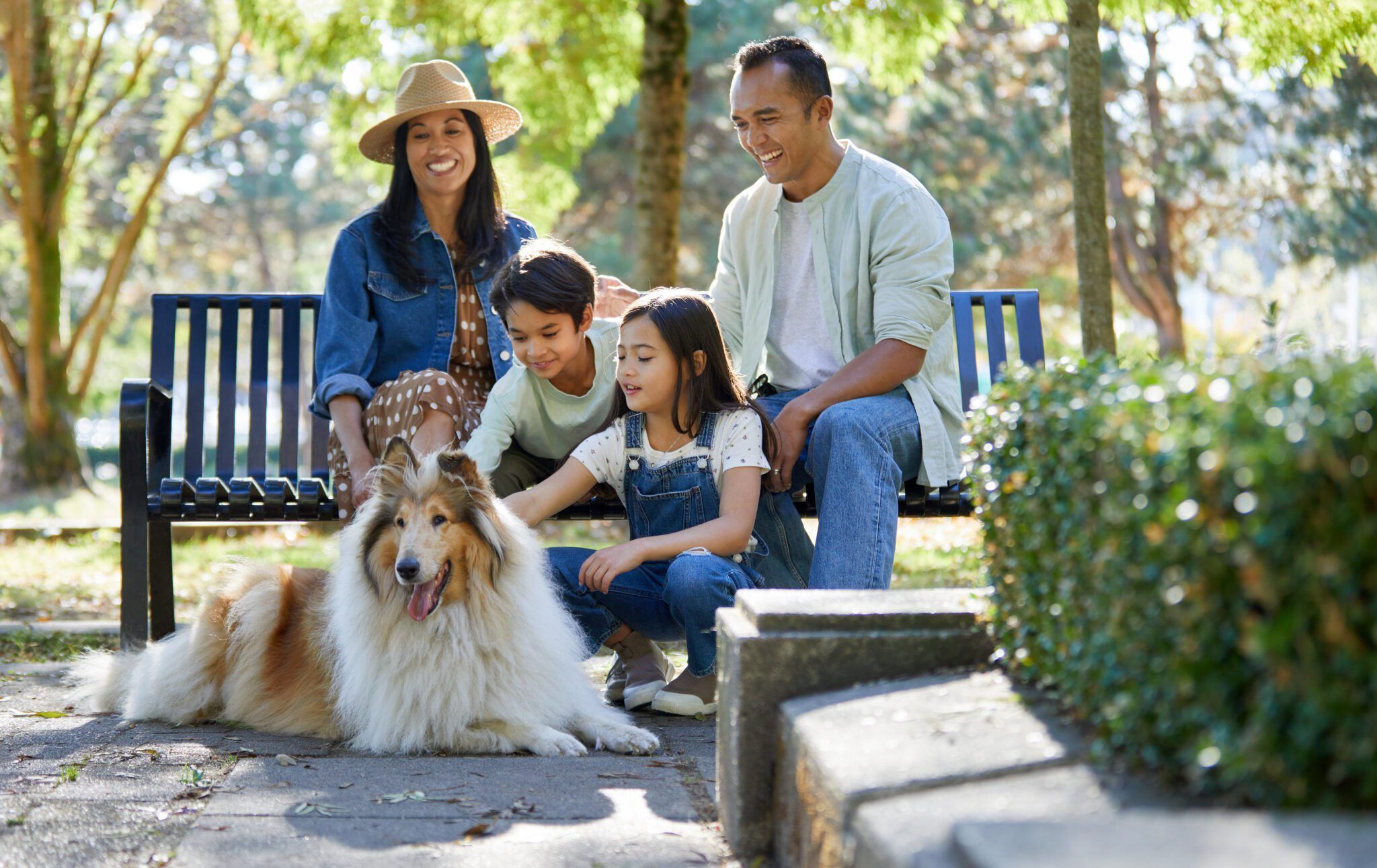
Attention Improves Everyday Wellbeing
Family protection dogs benefit from regular physical activity, mental stimulation, affection, and appropriate supervision. Attentive ownership ensures their physical and emotional needs receive suitable consideration.
- Provide daily exercise: Offer activities that match the dog’s age, health, and energy level.
- Monitor health needs: Arrange routine veterinary checkups and maintain appropriate nutrition.
- Observe behavioural changes: Notice differences in appetite, energy, comfort, or communication.
- Offer social experiences: Introduce positive interactions with familiar people, animals, and everyday environments.
- Make time for companionship: Include dogs in suitable family activities to strengthen relationships.
Owners can also visit website resources to explore general guidance about responsible dog care, training routines, and household preparation.
Responsible Guidance Encourages Lifelong Companionship
Professional guidance can support owners in developing safe, manageable training routines. Qualified trainers can help establish appropriate obedience, controlled responses, and positive social behaviour without encouraging unnecessary aggression. Family members should also understand how to interact respectfully with their dogs, particularly around food, toys, resting areas, and unfamiliar situations.
Ultimately, patience, structure, and attention work together to create a rewarding ownership experience. Consistent care helps family protection dogs develop confidence, discipline, affection, and dependable household manners. By prioritizing positive relationships and responsible guidance, families can enjoy a stronger bond with their canine companions throughout every stage of life.